
Partridge Peas (Chamaecrista fasciculata)
A humbly named plant that I find to be a lovely edging to gardens and sidewalks. Also, it is quite possibly our number one choice for attracting bumble bees. It did not come into full flower this year (2026) until late July, but here and now it is in full bloom. You hear the buzzing of the bees before you see them.
The Partridge Pea has pinnately compound leaves.
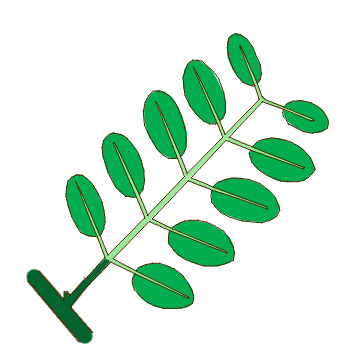
Pinnately compound - This shows a single leaf with ten leaflets.
It was originally a volunteer a couple of years ago, springing up unbidden. I first noticed the attractive (to me anyway) leaves and was gratified when it came into bloom. I collected seeds, stratified them and germinated them in the spring. But I don’t think I needed to…it self-seeded and now, it’s third year, it appears to have attained a stable beachhead along the sidewalk to the front door.
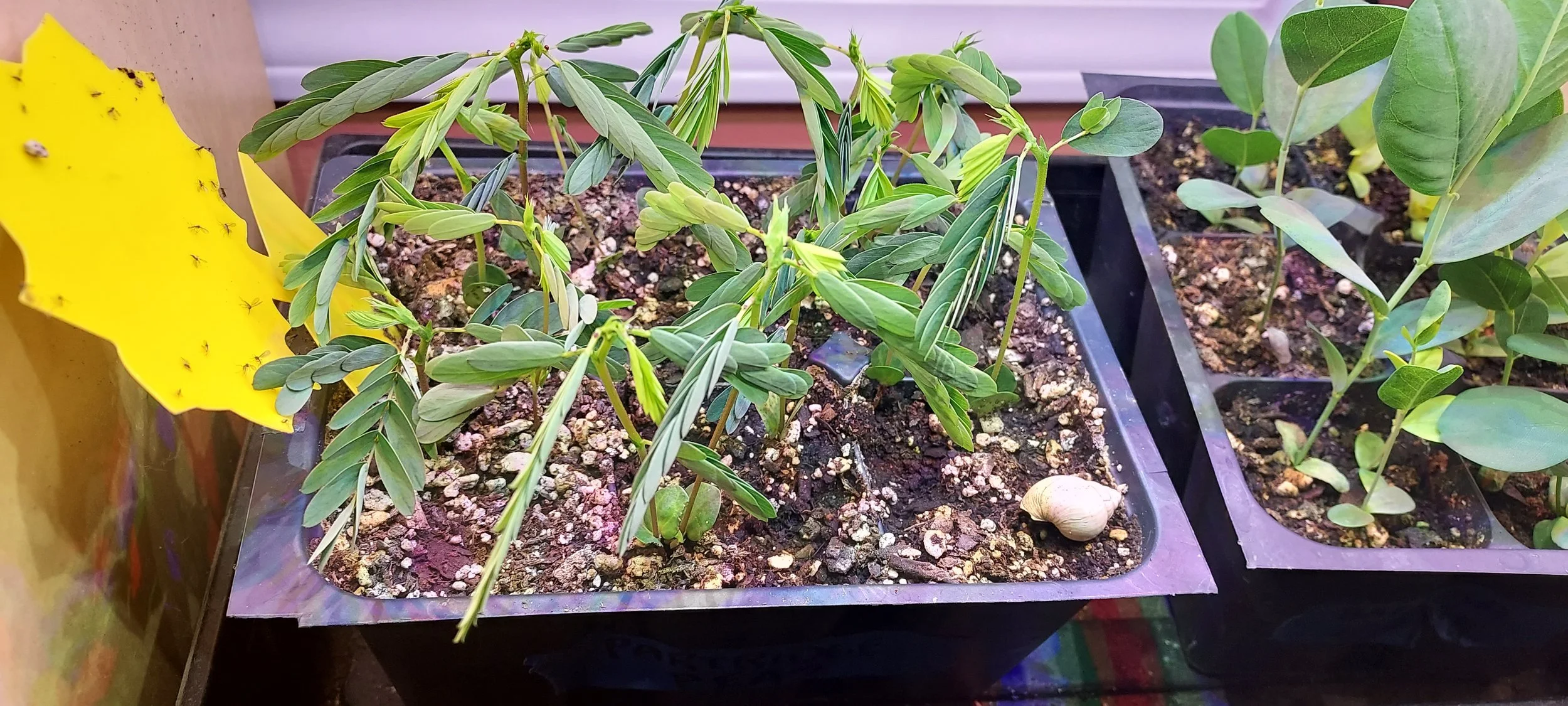
Partridge Peas on the left. Grown from seeds gathered last autumn and stratified in the refrigerator. The seeds are shown a few photos down from this one.
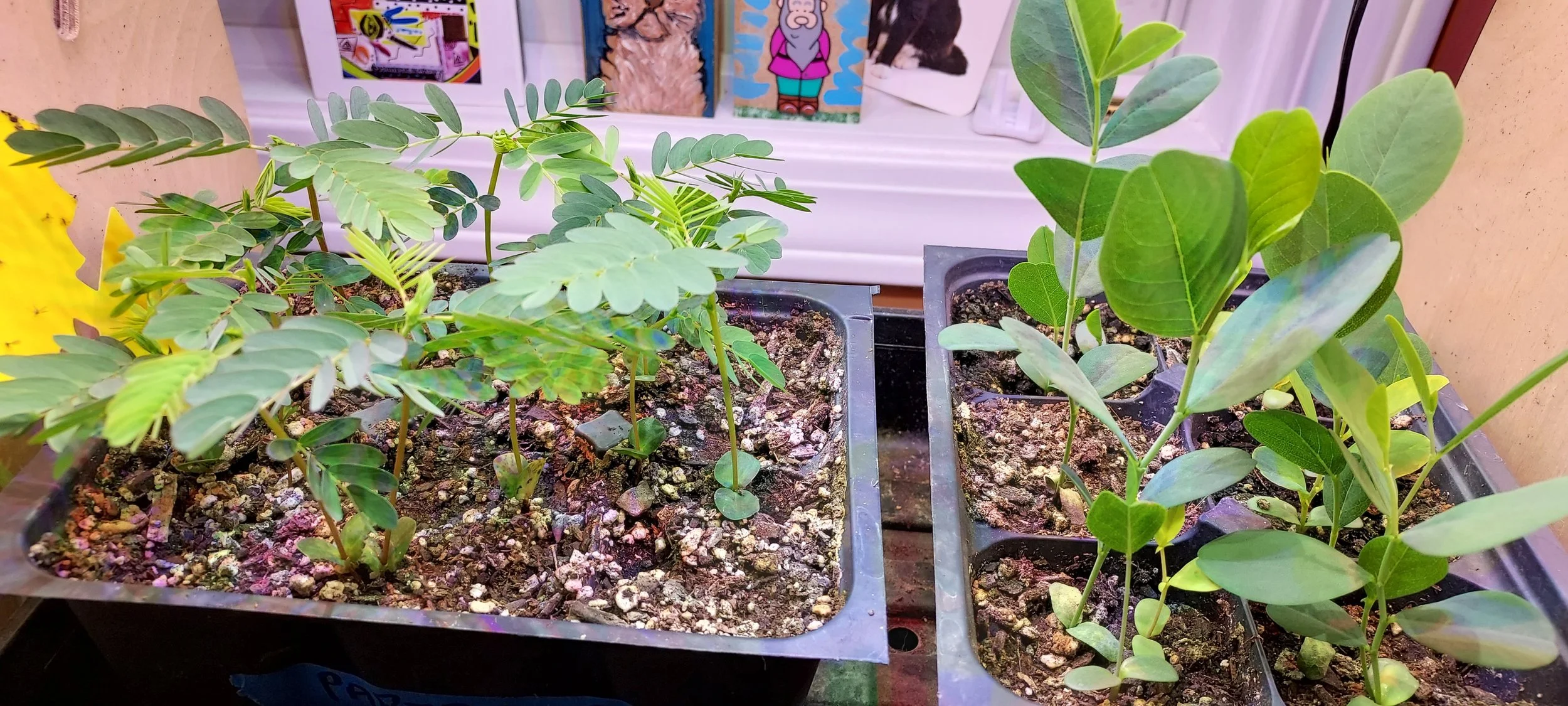
Partridge Pea seedlings on the left, Baptisia on the right.
While it’s not particularly aggressive, I think it would be easy to eradicate Partridge Peas if for some reason you chose to do so. They can grow to two feet before they start bending over, the stem reaching as much as 4 feet in height.
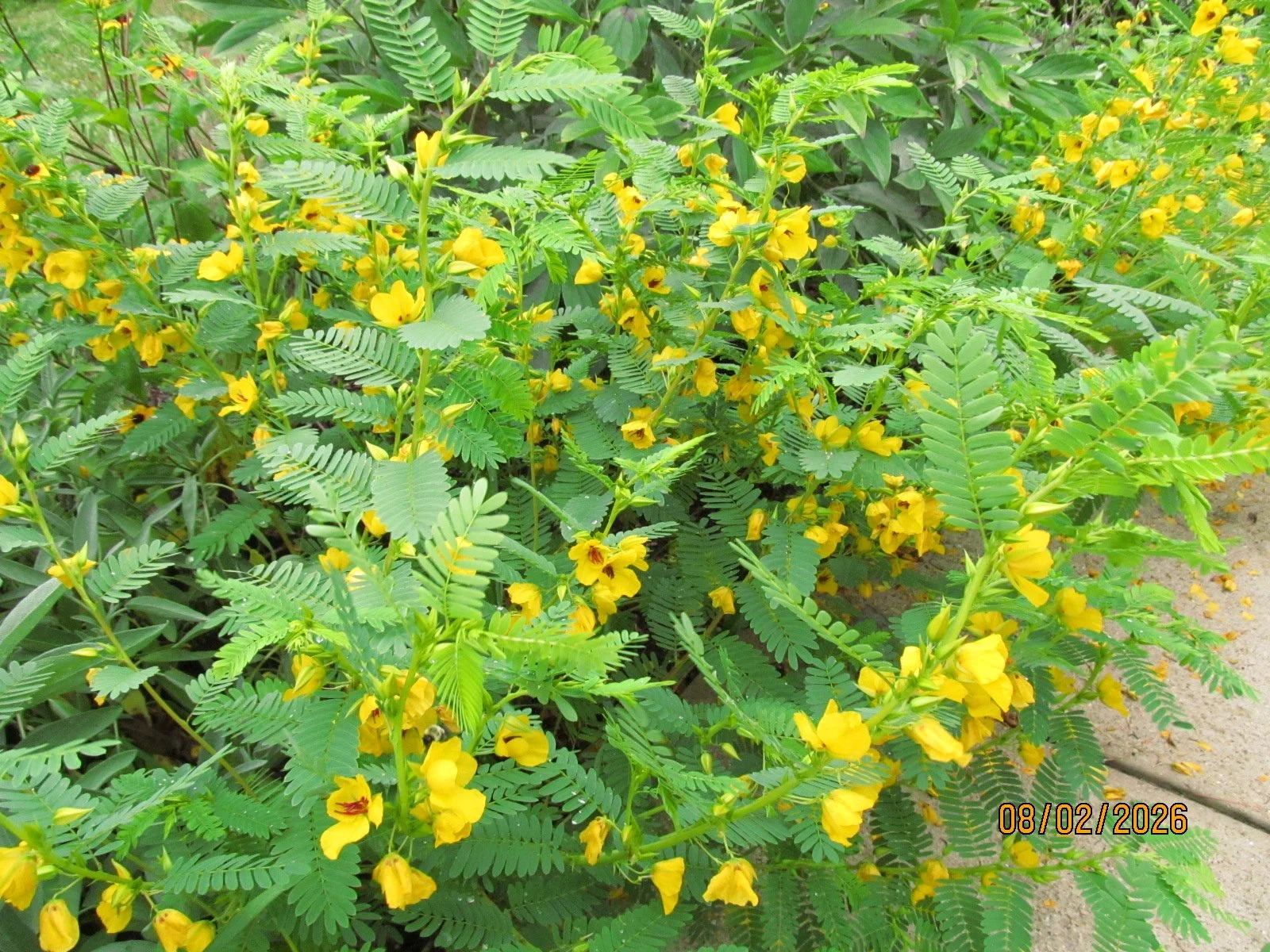
Partridge Peas full flower - Aug. 2, 2026
It was challenging to get photos of the bees. The camera settings were such that it wasn’t able to capture things in motion. Also the bees crawl so far into the flowers you can only see their rumps.
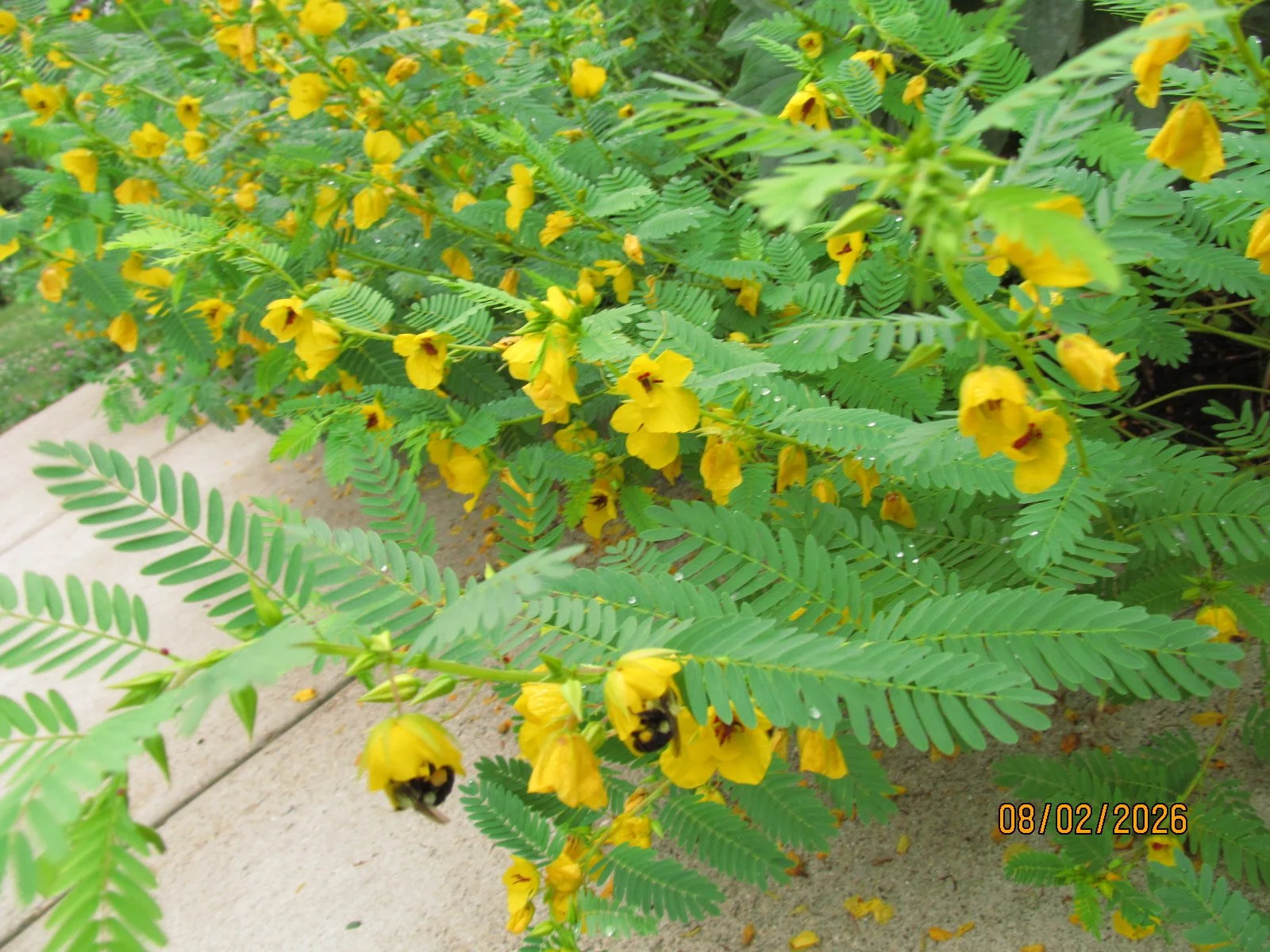
Partridge Peas - Two bees
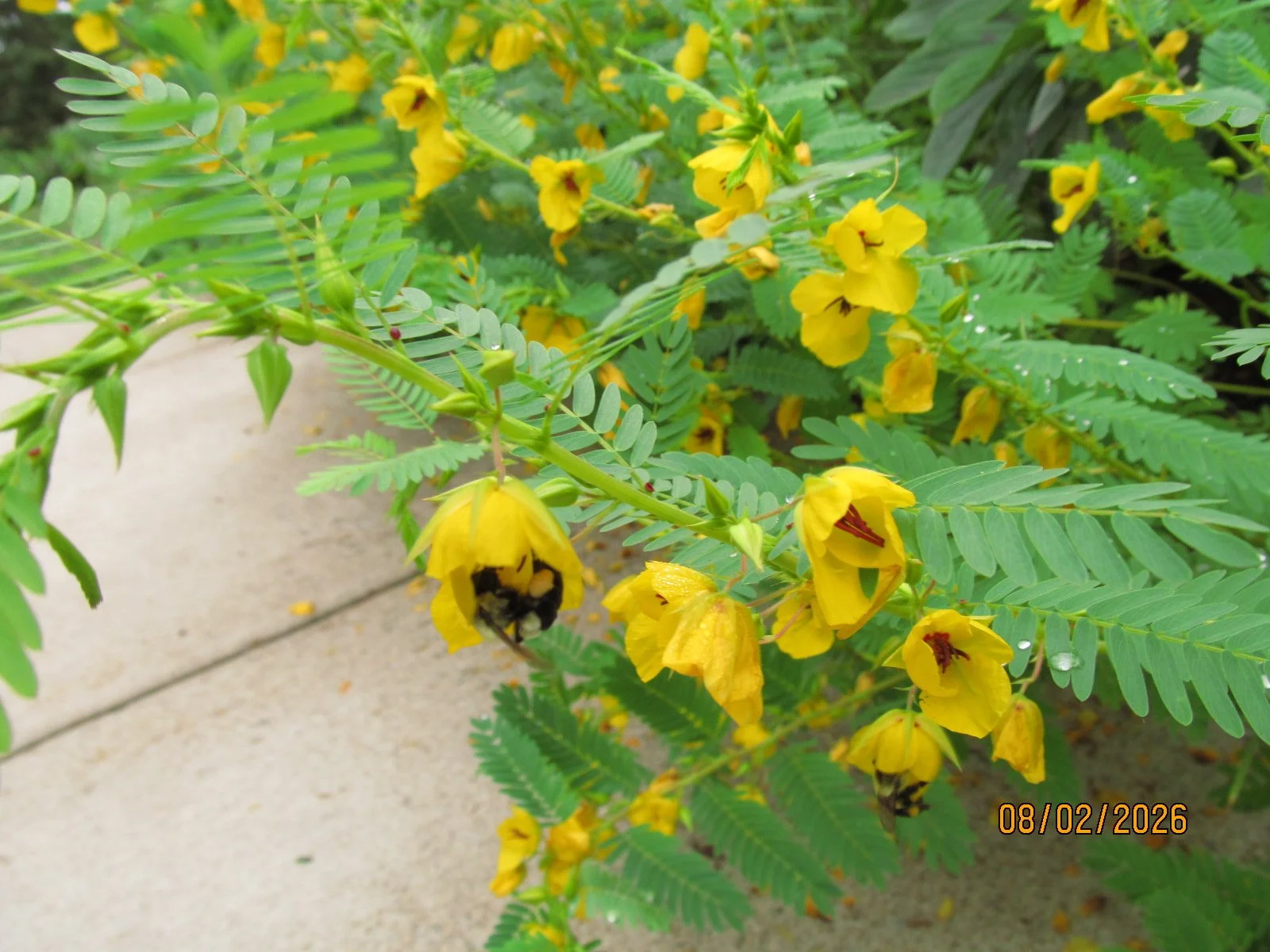
Partridge Peas - Two Bees
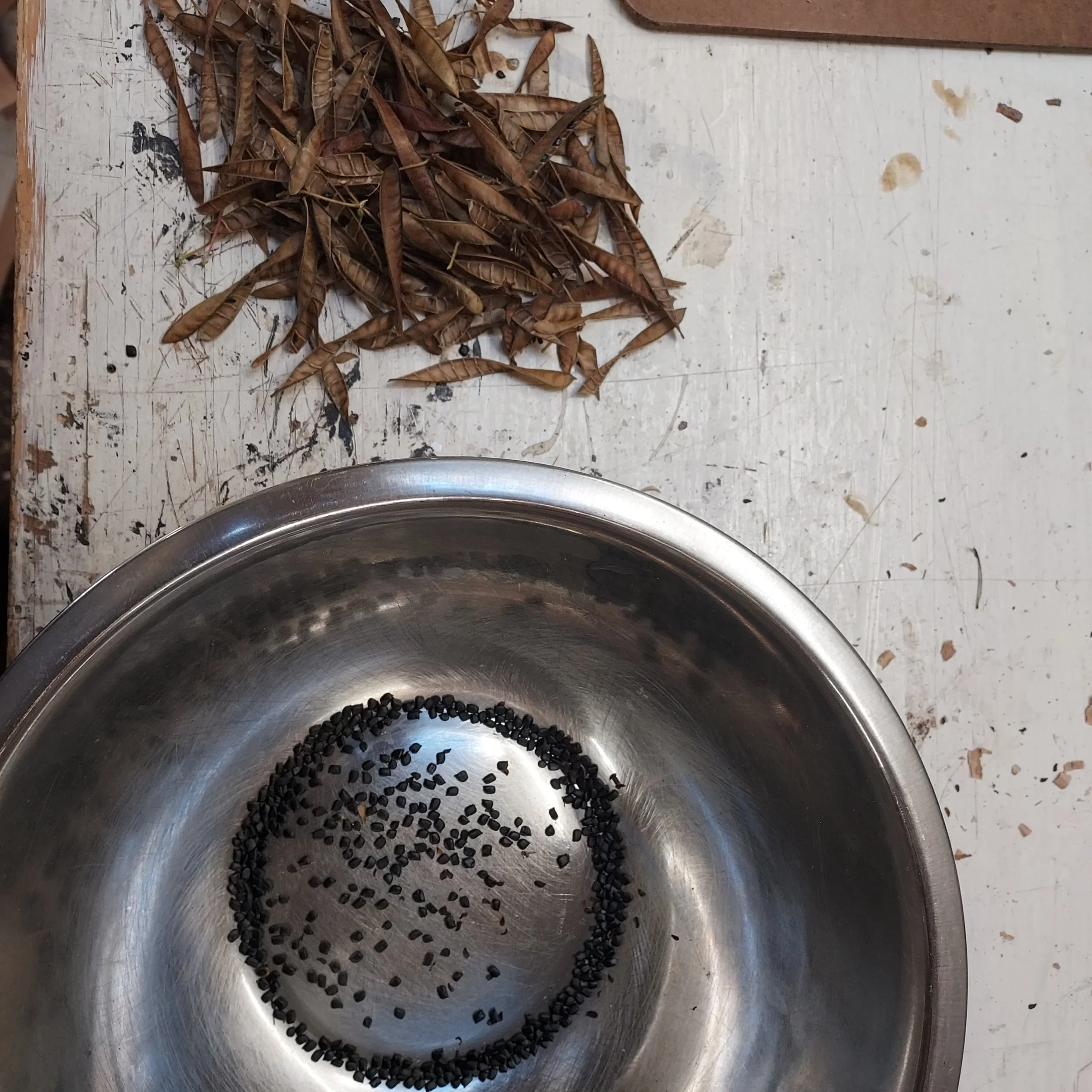
Popping seeds from their husks.
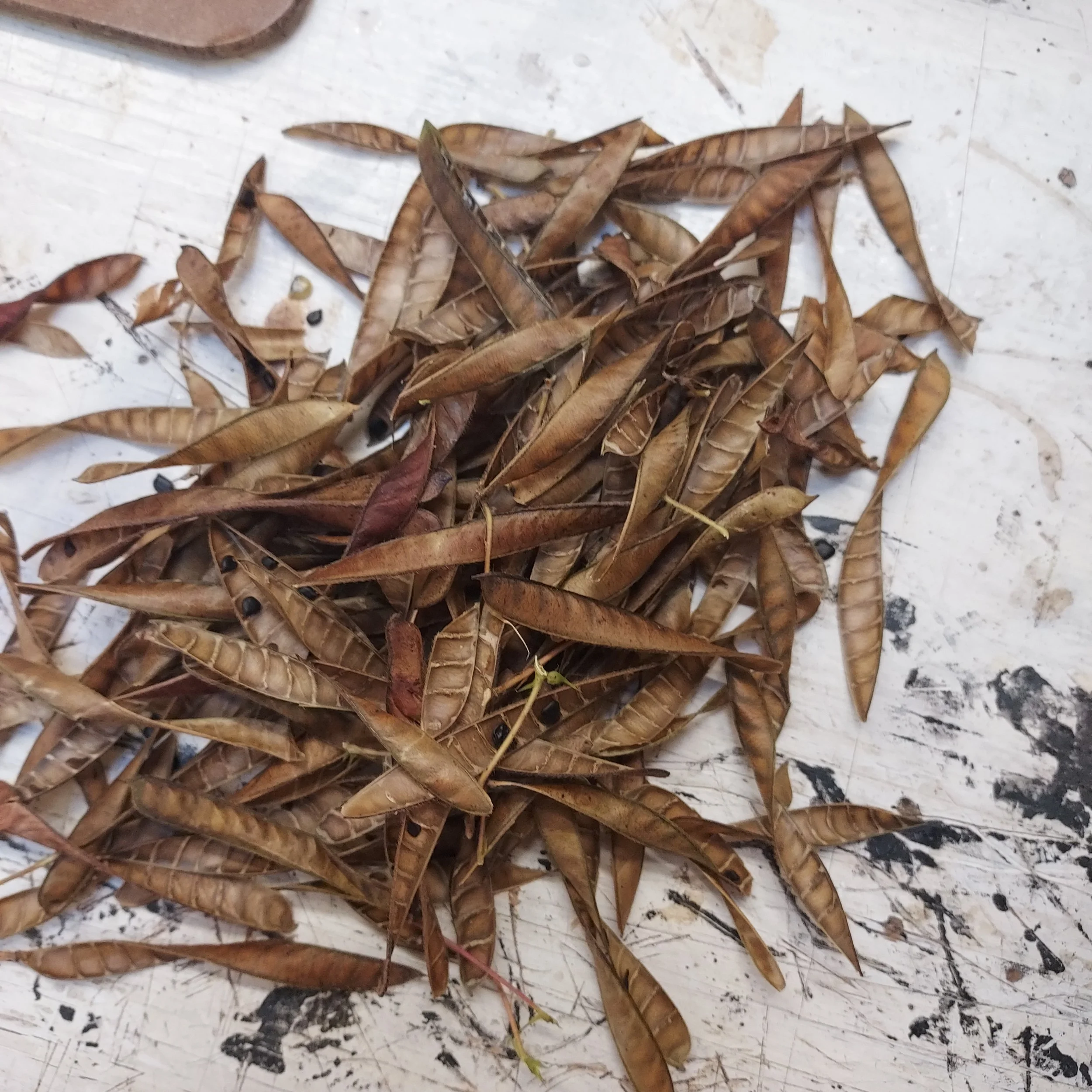
Empty husks.
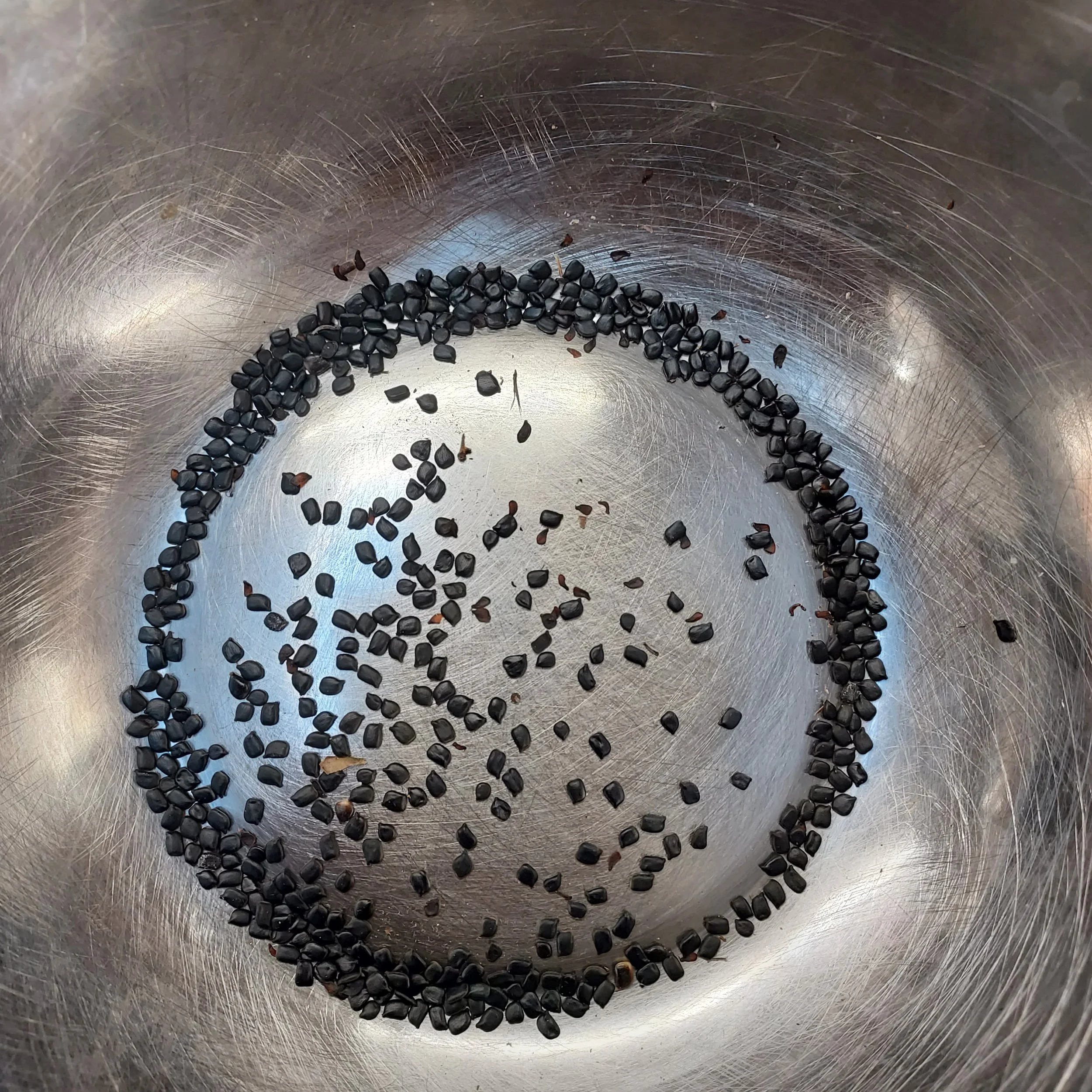
If you zoom in you can see the square Partridge Pea seeds, they look like tiny black Chiclets.
The scientific name for Partridge Peas, Chamaecrista fasciculata, comes from the word “fasciculata” come from the Latin meaning “bundled”. “clustered”. or “arranged in small bundles”. I assume it refers to the seed pods? I’ll try to find out.